Curriculum
Infants and Toddlers: Play-based Curriculum
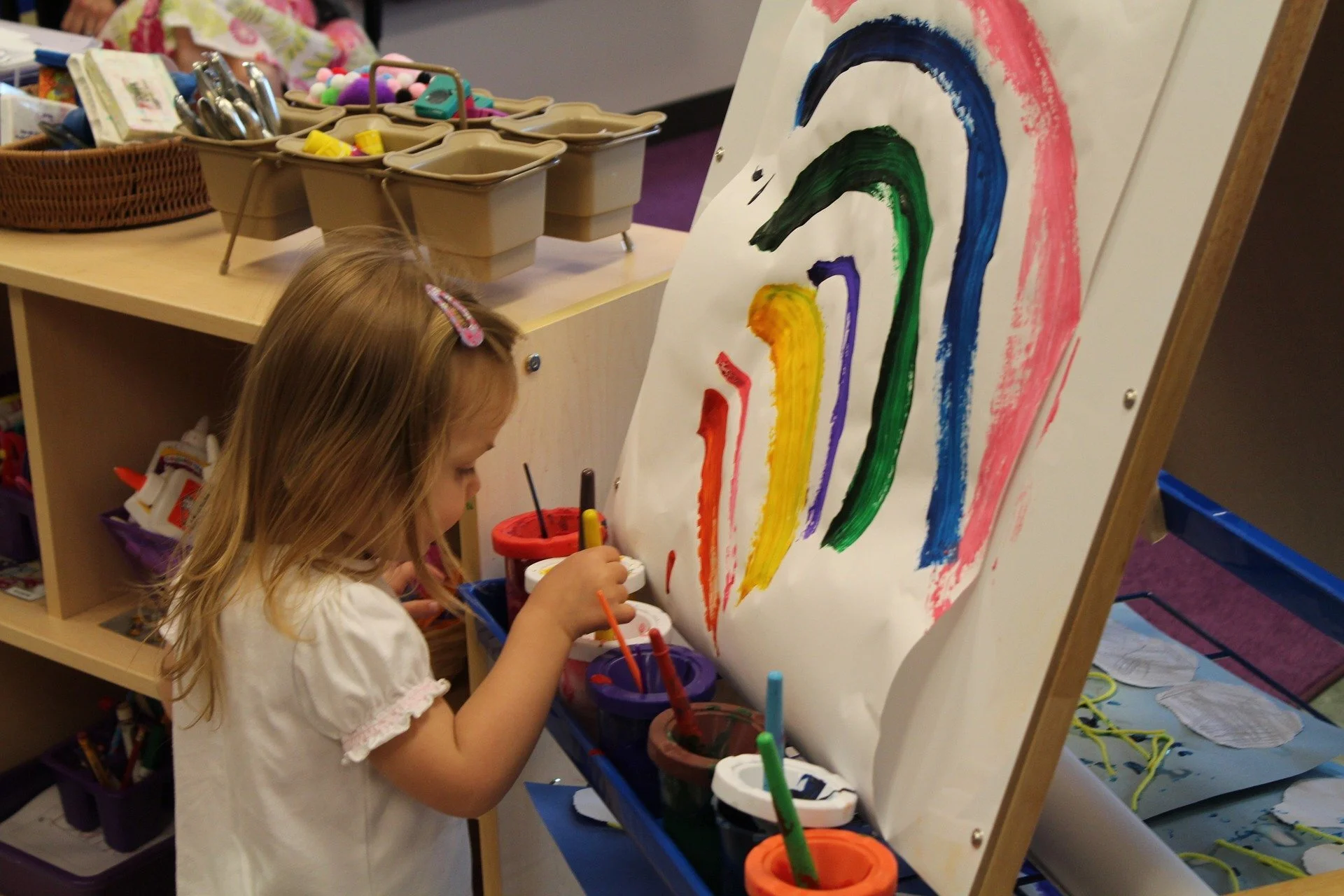
First Presbyterian Day School uses a play-based curriculum for our infants and toddlers (6 weeks to 3-year-olds). In a play-based or child-centered program, children are able to choose activities based on their current interests. Learning activities such as creative arts, literacy, numeracy, social studies, science, etc. are presented to children through play. Educators encourage children to play, facilitating both social and emotional skills along the way. It often looks like children are “just playing,” but in fact, they are learning important educational, social, emotional, and life skills through the process of play.

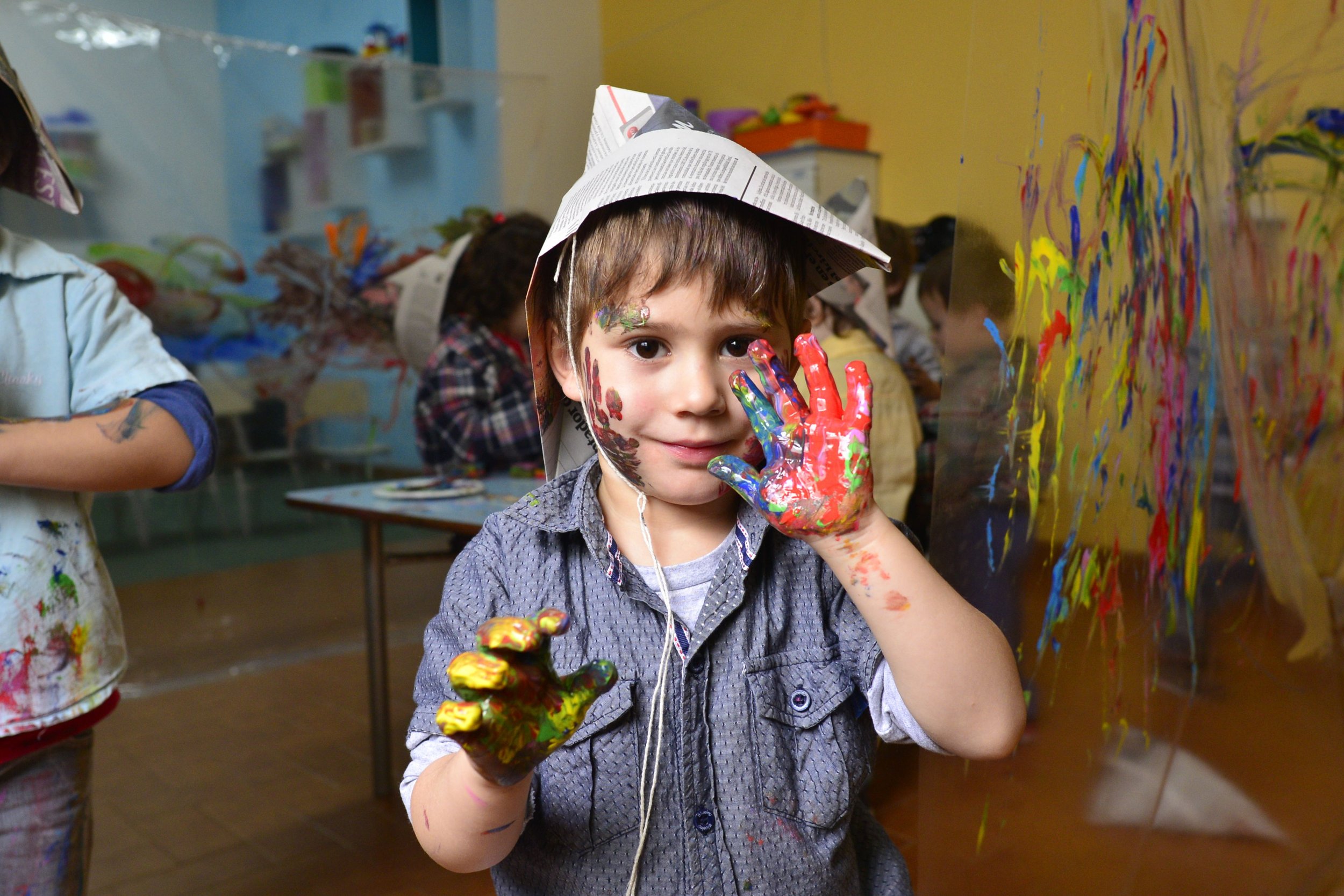
Play enhances children’s physical, social/emotional, and creative growth and development. It is the primary means by which children explore their world and begin to make sense of the world around them. Without play, it is difficult for a child to understand how the world functions and how they can function in it. What sets us apart isn’t just our process—it’s the intention behind it. We take time to understand, explore, and create with purpose at every turn.
It is evident that play has a major role in the cognitive development of the child, but what about meeting those important learning objectives and goals? Through play, children actively post problems, explore solutions, and begin to develop a real understanding of how things function in the world around them. Educators can support this play-based philosophy by offering and encouraging the engagement in play-based activities centered around academic areas that will allow for cognitive development as well as activities that will promote social and emotional learning.
What Does a Play-based Classroom Look Like?
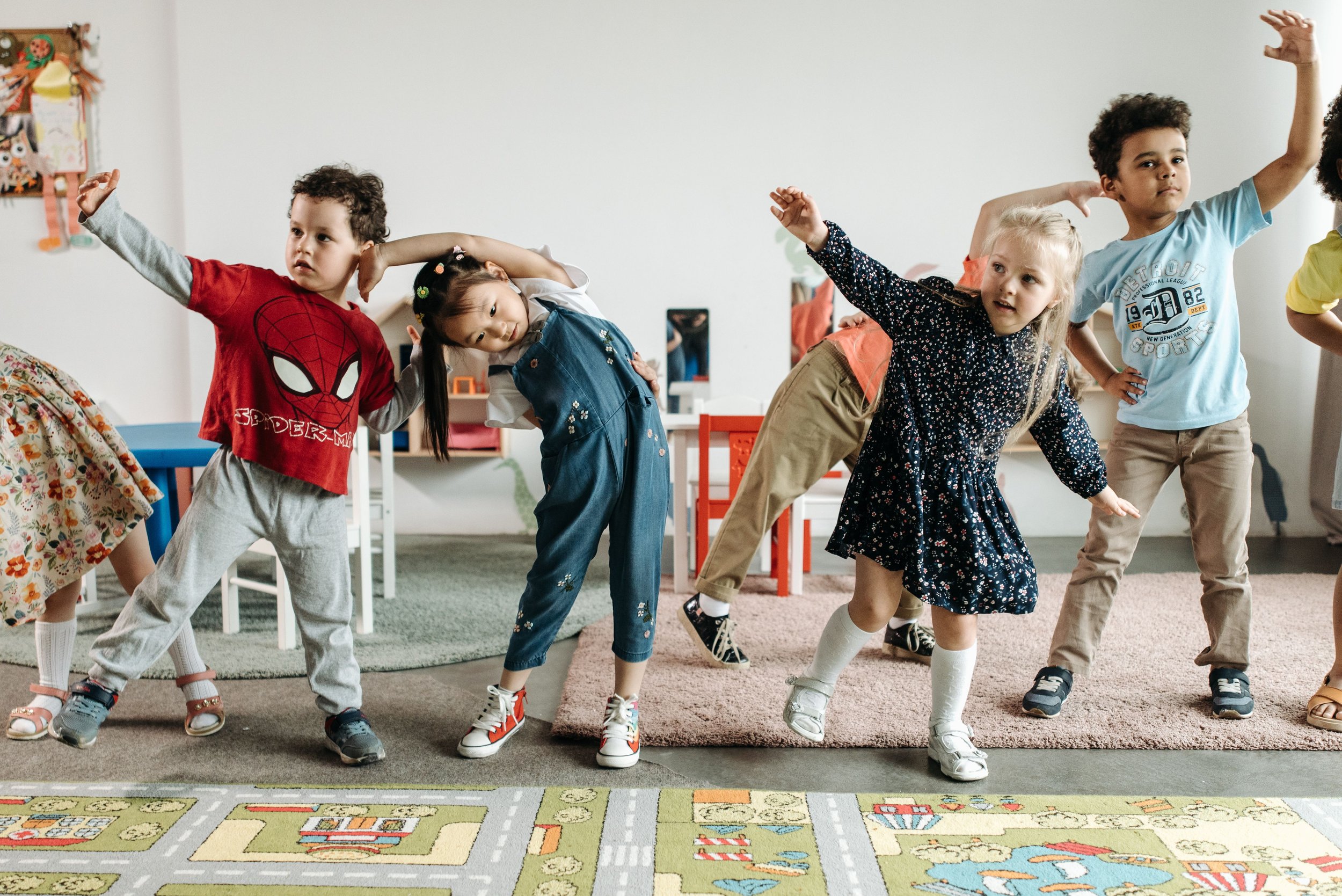
A play-based learning environment is generally set up into sections. There are typically sections for science, literacy, writing, reading, dramatic play, blocks and building, and social studies. These areas of learning will then incorporate play-based materials and activities that the children will find engaging and fun. The learning environment will be inspiring, stimulating, and nurturing, and it will welcome all children of cultural, ethnic, and linguistic backgrounds. The classroom will be a place that children can feel safe to learn, play and explore. It will be organized in a way that supports the child’s social and emotional development as well as cognitive learning.
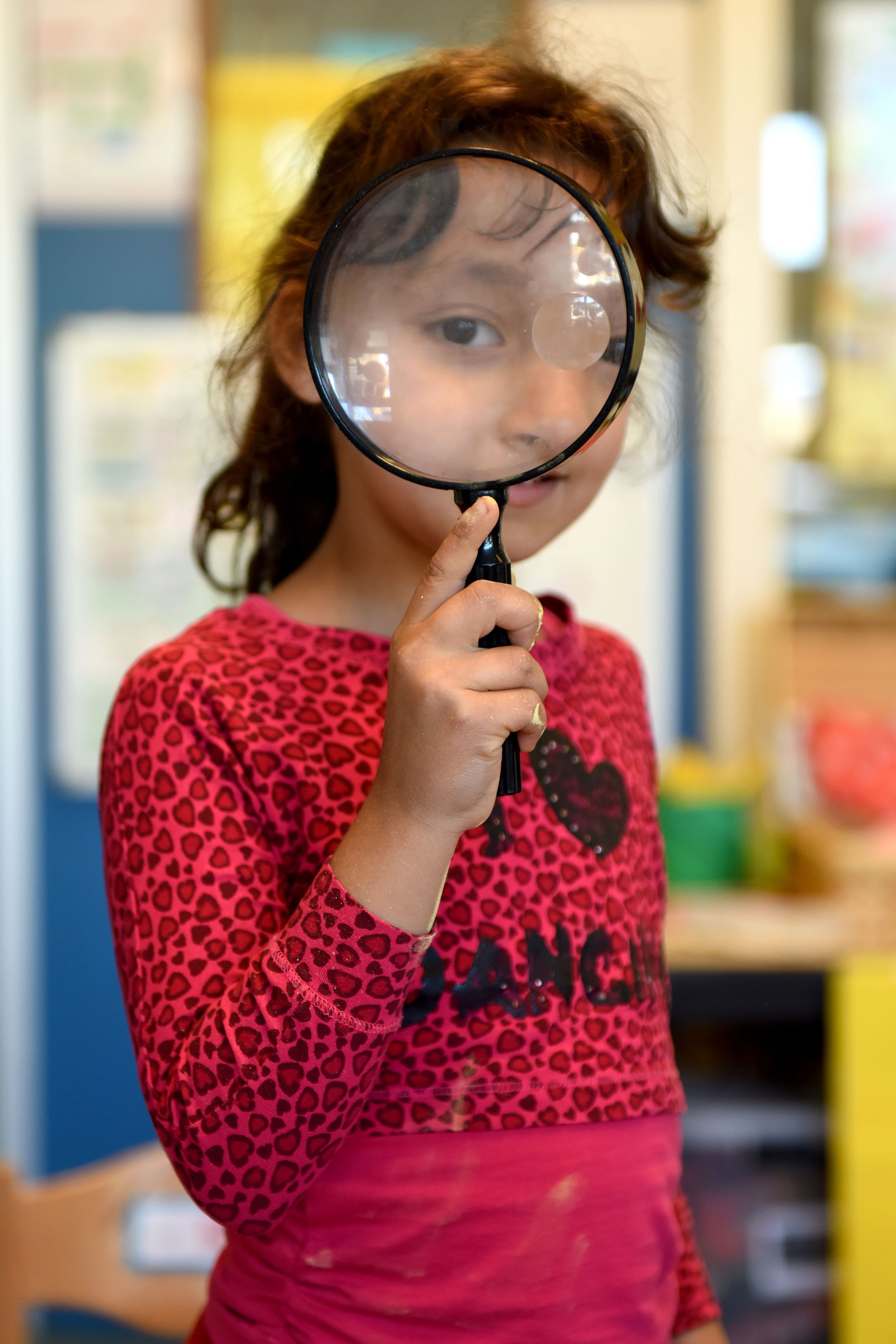
Learning activities such as creative arts, literacy, numeracy, social studies, science, etc. are presented to children through play. Educators encourage children to play, facilitating both social and emotional skills along the way. It often looks like children are “just playing”, but in fact, they are learning important educational, social, emotional, and life skills through the process of play.
3 to 5-year-olds:
Creative Curriculum
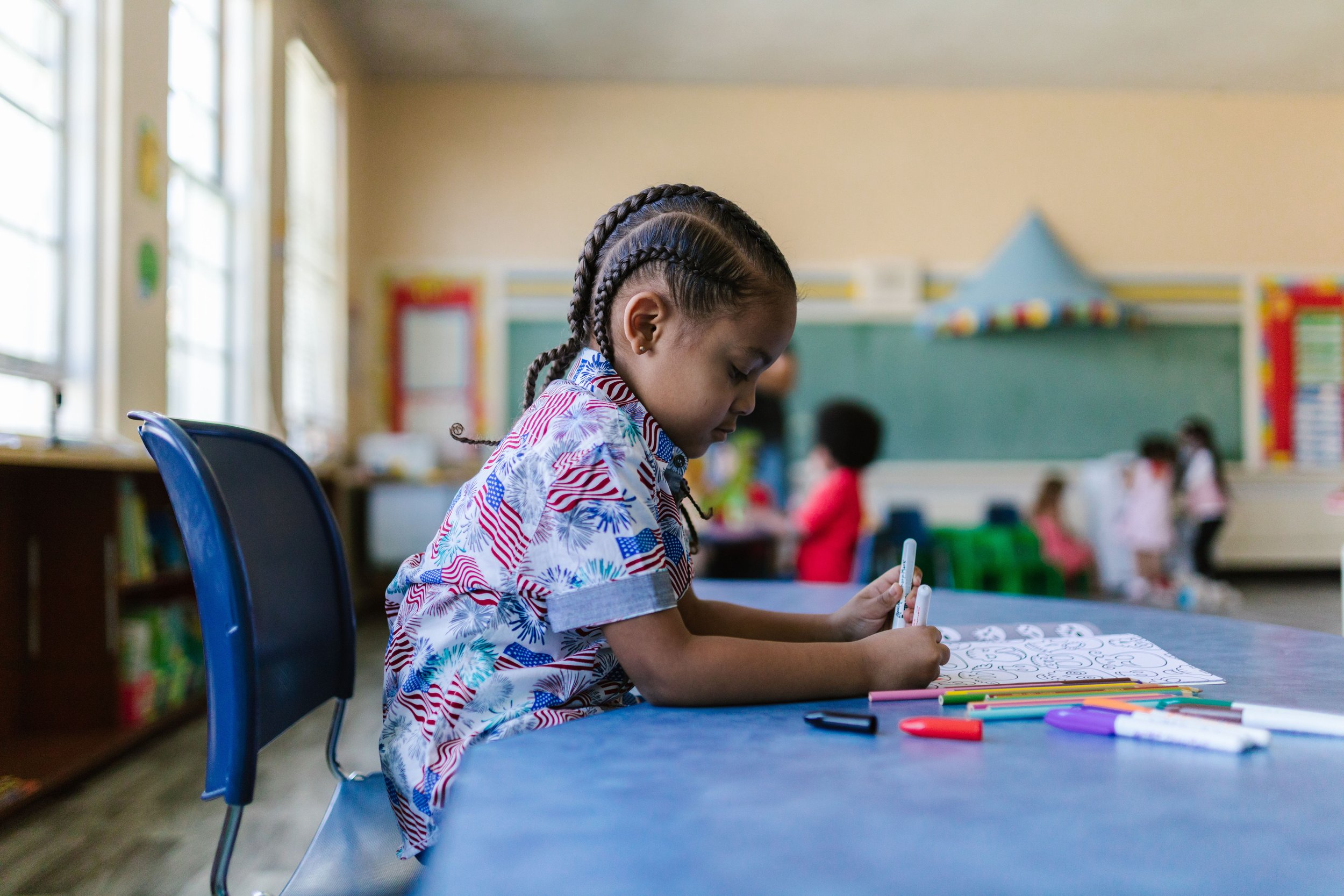
In our three-year-old and Pre-K classrooms, FPDS uses The Creative Curriculum, which includes developmentally appropriate goals and objectives for children within four main categories of interest: social/emotional, physical, cognitive and language. The social/emotional stage helps promote independence, self-confidence and self-control.
Purpose
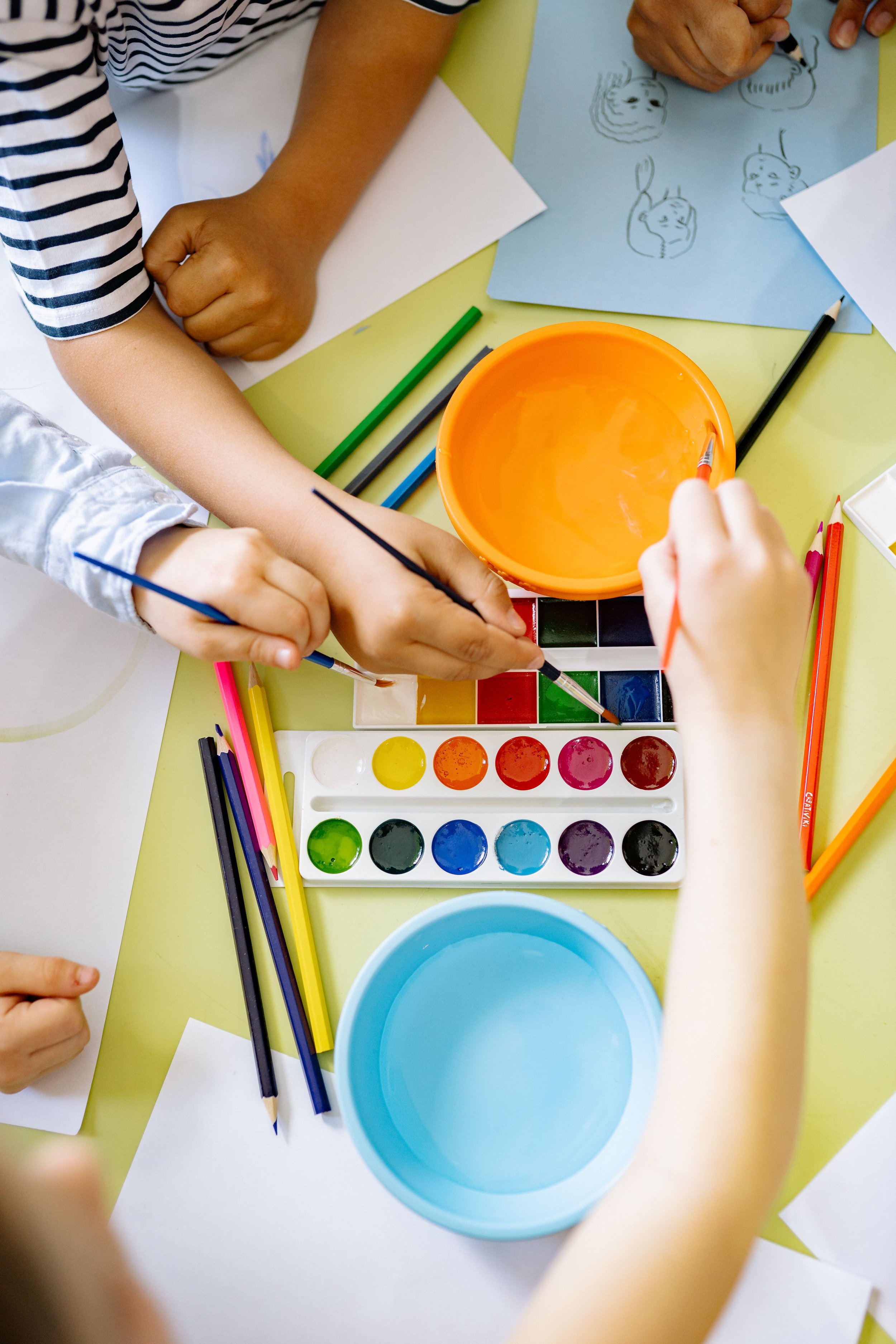
The Creative Curriculum helps teachers interact with children in ways that promote development and learning, foster children's social competence, support children's learning through play, create rich environments for learning, and forge strong home-school connections.