Five Classrooms,
One Big Happy Family
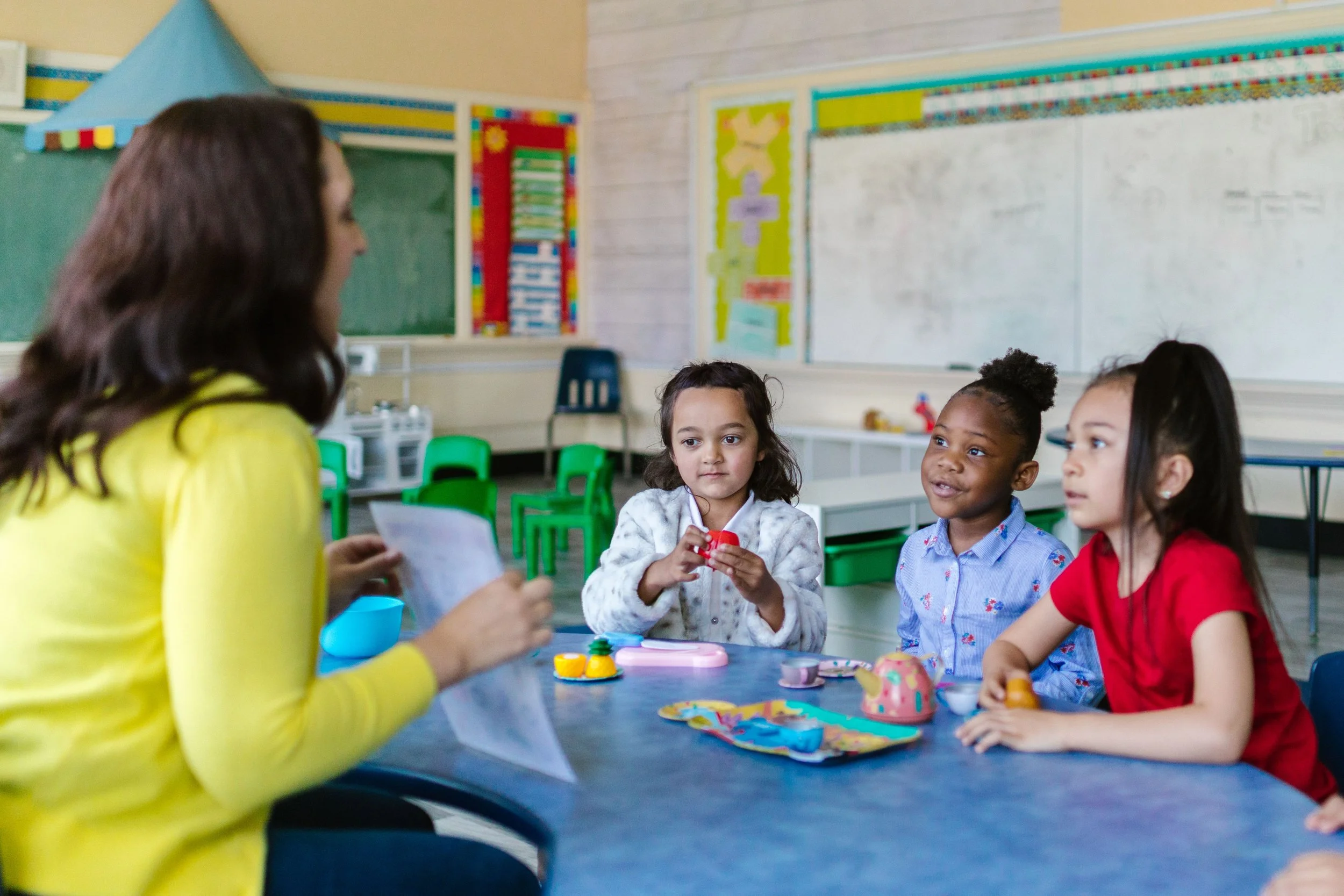
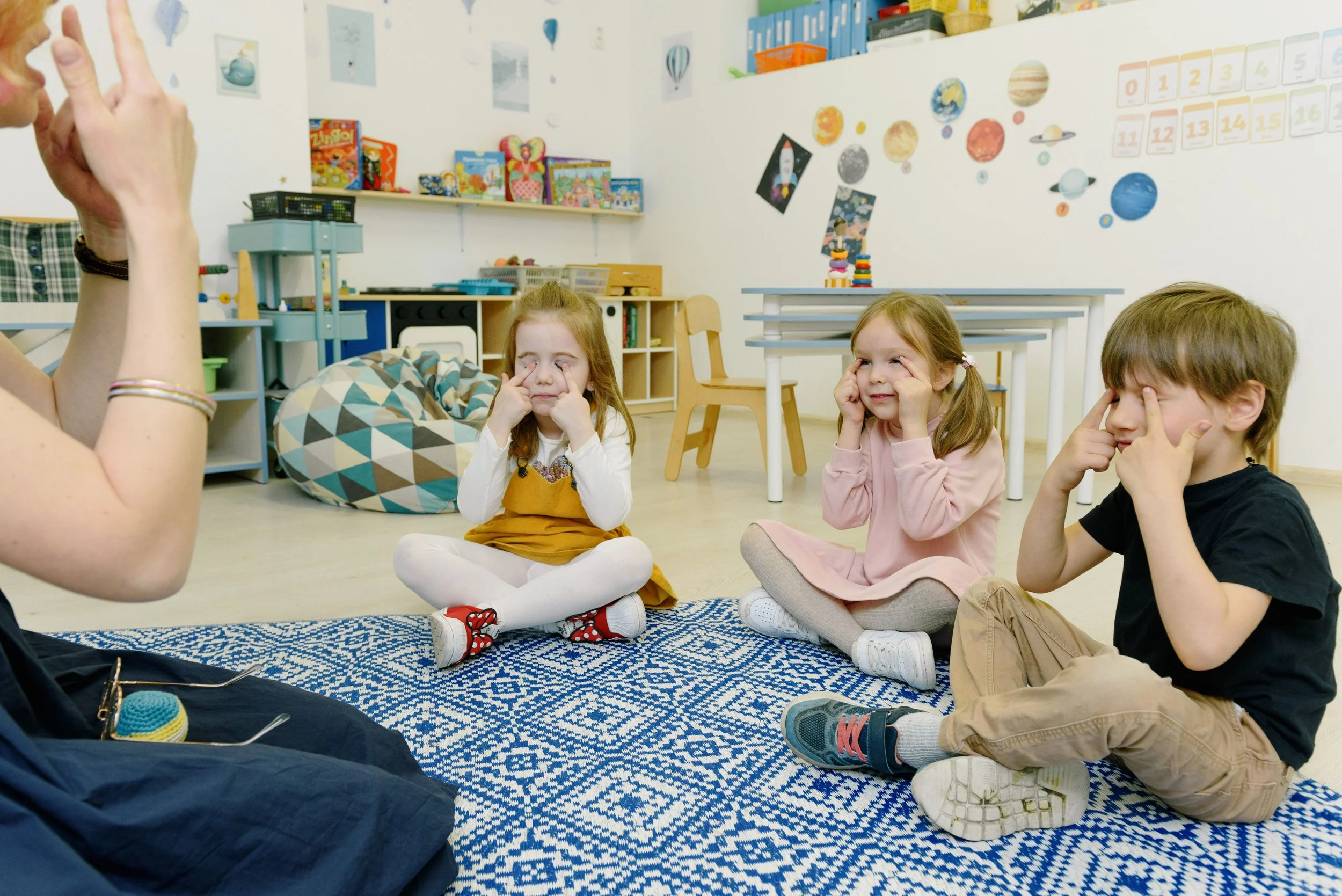
We care for children across five classrooms organized by age. Our small environment allows the teachers to get to know all of the children at the center.
Our low child-to-staff ratio means that your child receives the full attention of caregivers, and gets to know each of their faces, voices, and hearts.
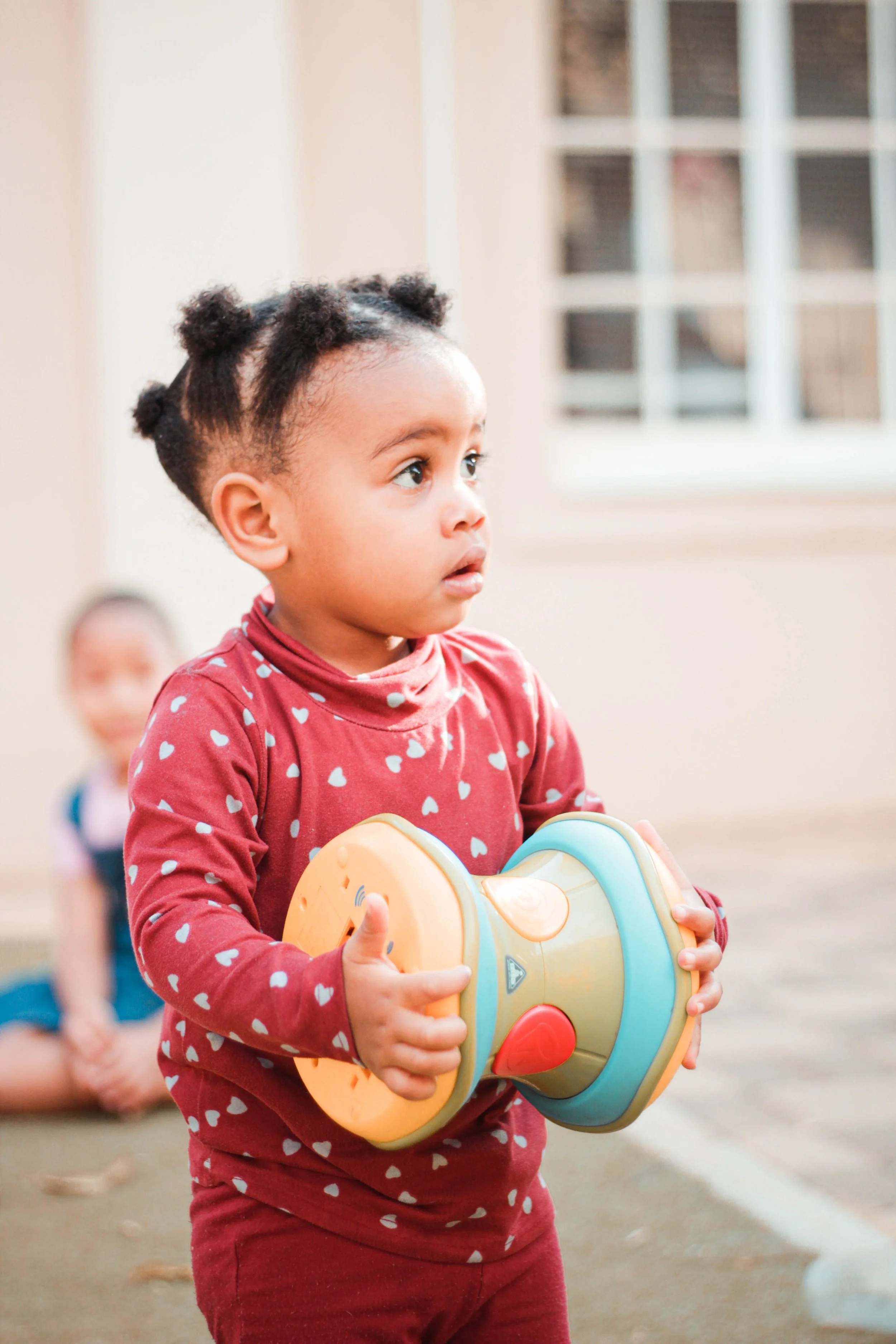
The Infants Classroom
• 1:4 teacher / child ratio
• max 8 infants / classroom
The Ones Classroom
• 1: 5 teacher / child ratio
• max 10 children / classroom
The Twos Classroom
• 1:8 teacher / child ratio
• max 14 children / classroom
The Threes Classroom
• 1:9 teacher / child ratio
• max 16 children / classroom
Pre-K - four and five year olds
• 1:12 teacher / child ratio
• max 18 children / classroom
Children must be the minimum age for their classroom on or before August 31.
Hours of Operation:
Monday - Friday 7:30 AM - 5 PM
Our Approach
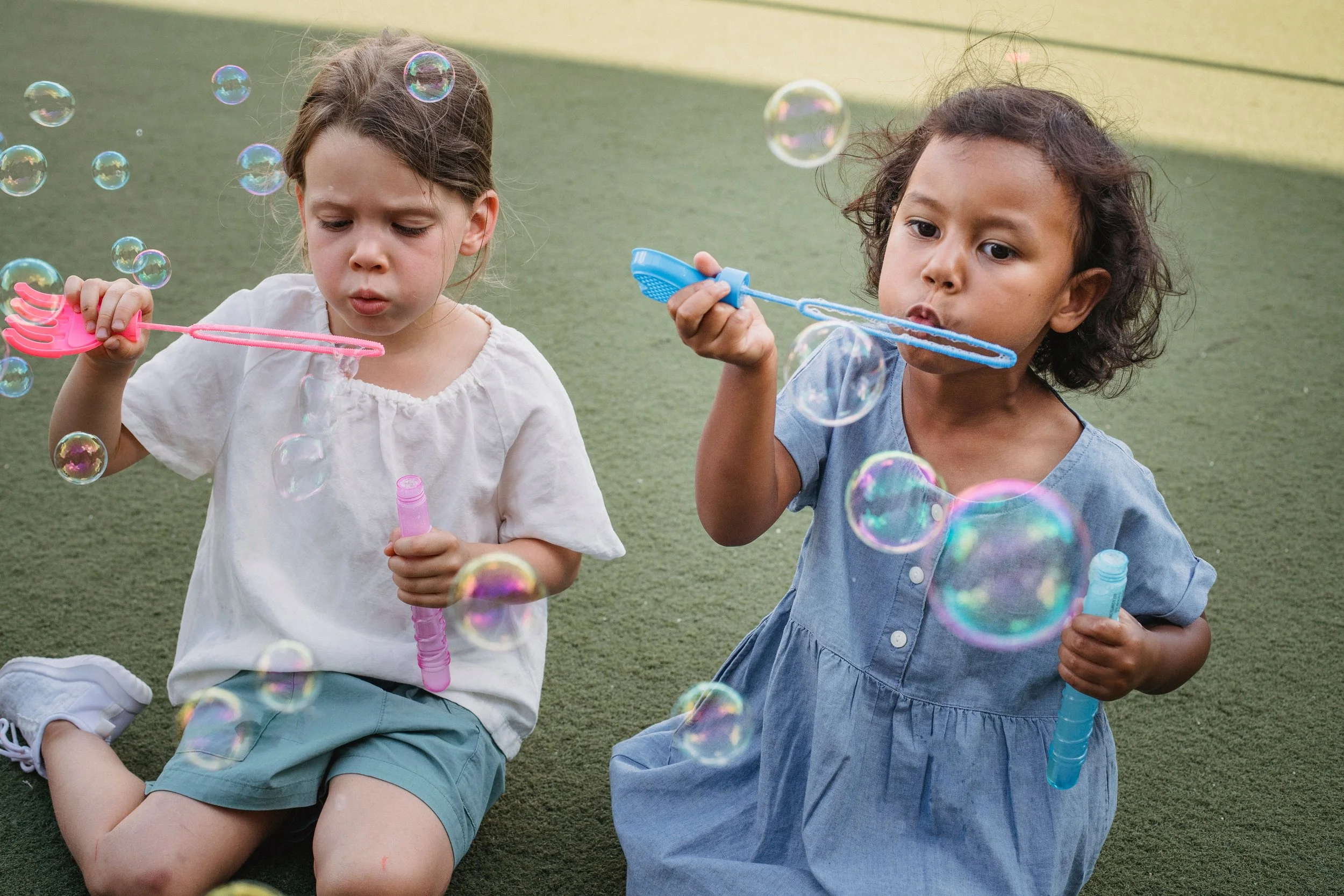
One thing that makes FPDS unique is our "looping" approach to classroom transitions. Each child enters the classroom with children in the same age range. When it’s time to transition to the next classroom, Infants, Ones, and Twos move up as a “family group” with their classmates and teachers.
For example, when your child joins as an infant, he or she will have the same friends and teachers for the first three years of life, at which point he or she will transition with their friends into the three-year-old classroom with a new teacher. The transition occurs at the end of the school year in June.
Studies show that looping helps children form strong bonds with each other and their teachers, which in turn supports their growth and development.
Hours of Operation:
Monday - Friday 7:30 AM - 5 PM